




Blog
The new era of sustainable construction demands materials that are not merely aesthetically pleasing, but technically advanced, environmentally responsible, and certified for use in large-scale projects. From modern office buildings and mixed-use developments to large hotel projects and public buildings, the specifications become stricter: high durability, low maintenance, energy efficiency and certifications that demonstrate a real contribution to sustainability.
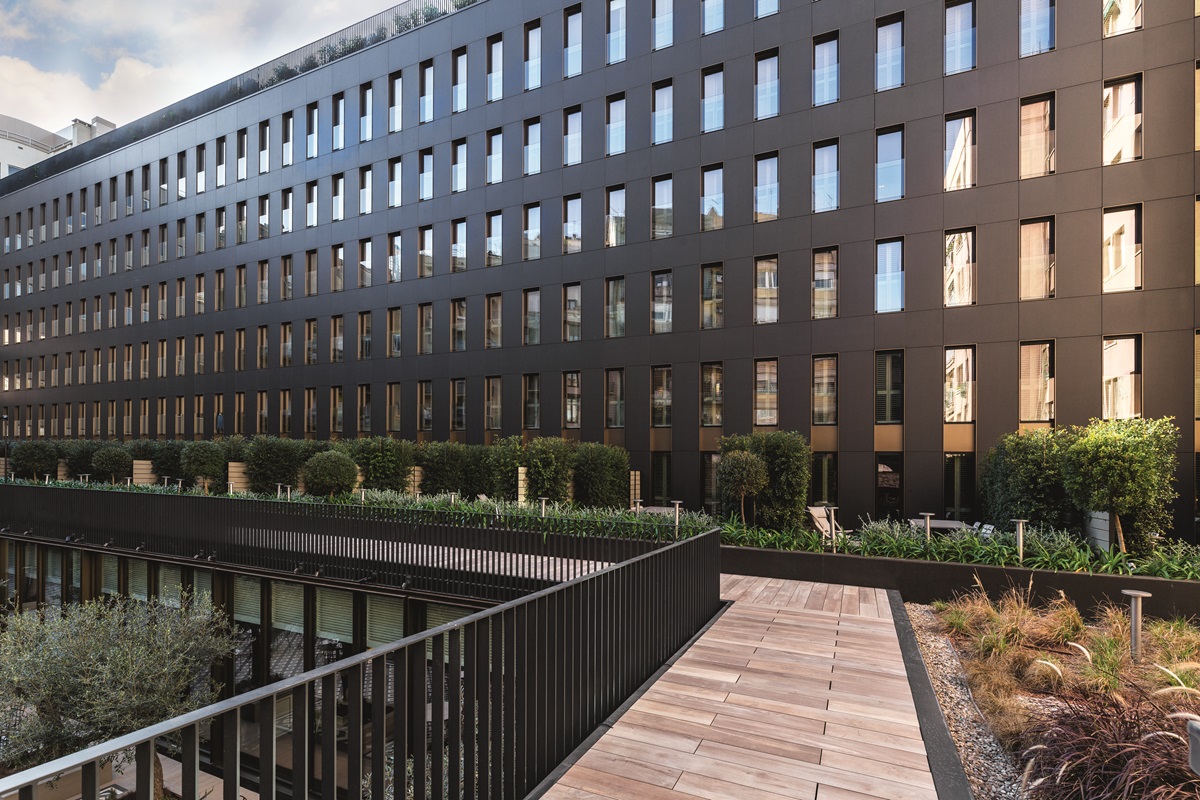
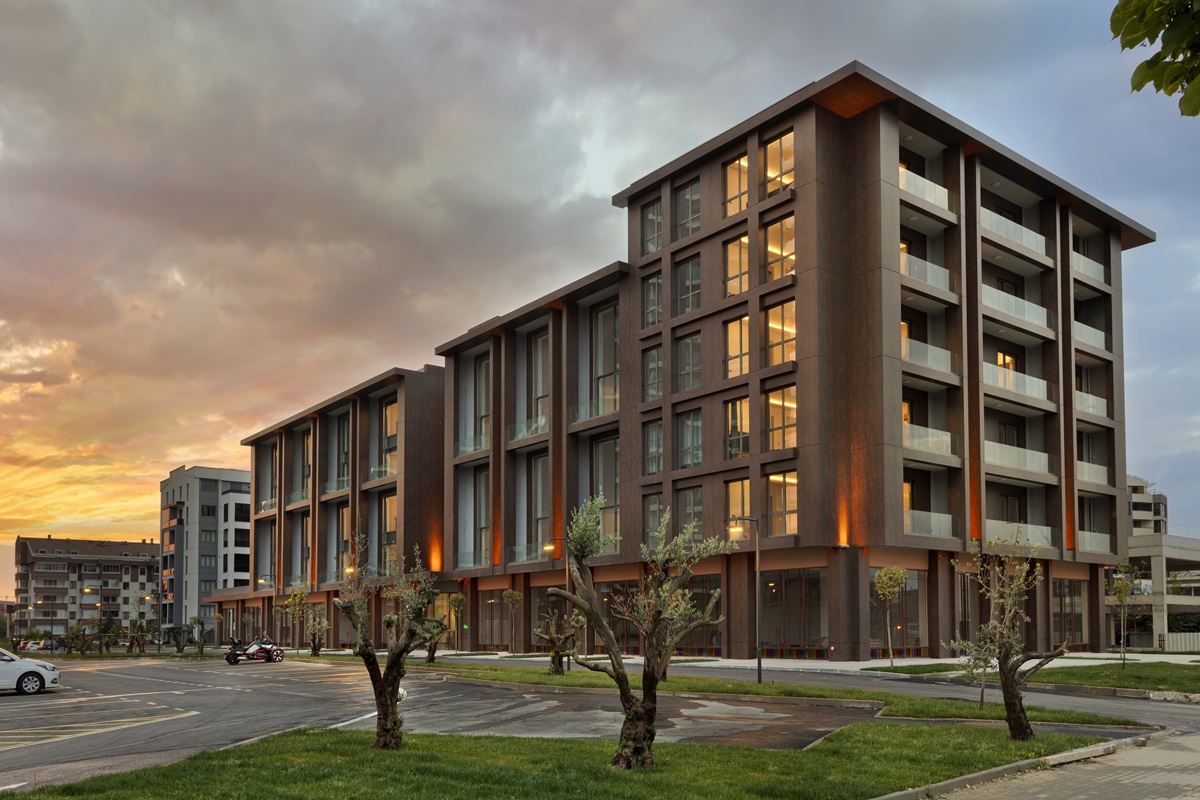
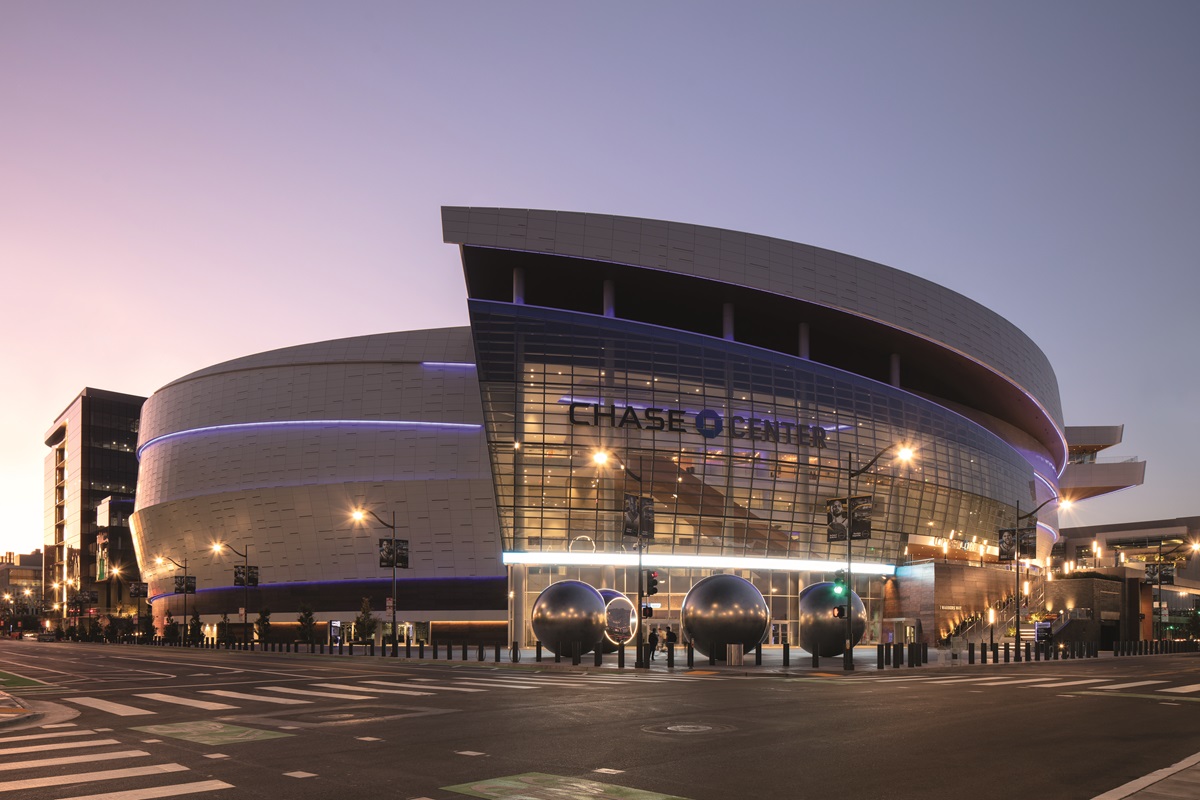
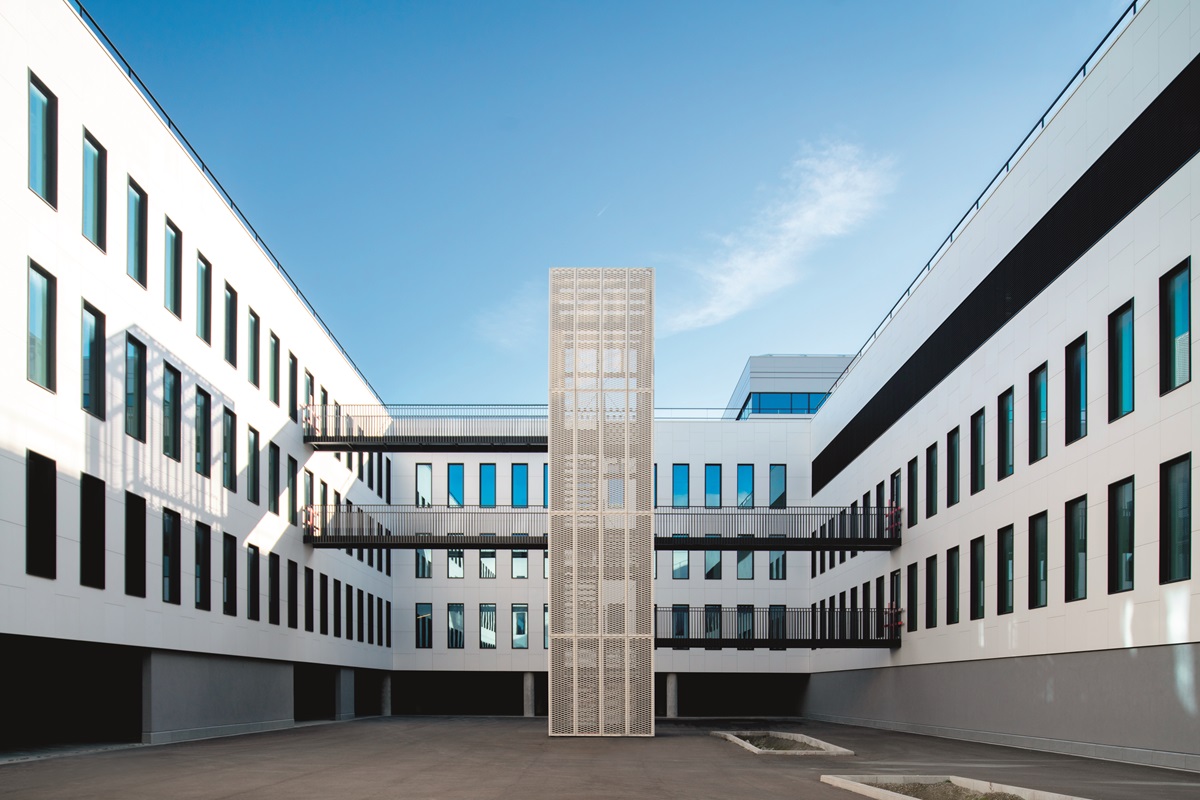
In this context, Neolith surfaces — already widely known for their outstanding performance in kitchen countertops — emerge as a comprehensively technical material for façades and high-traffic flooring, fully meeting the demands of green buildings.
1. Outstanding Technical Properties
Neolith surfaces are manufactured from 100% natural materials using sintering technology, at temperatures above 1,200 °C and under pressure of approximately 400 bar — a process that replicates the natural metamorphism of stone.
Representative technical performance data:
Water absorption: 0.08% – 0.09% — ideal for external façades and floors.
Scratch resistance (Mohs hardness): 5–6 — appropriate for high-wear areas.
Flexural strength (Modulus of Rupture): 45–55 MPa — reducing risk of cracking or deformation.
Thermal expansion coefficient: ~ 6 × 10⁻⁶ /°C — excellent response to thermal stress and sunlight.
UV resistance / Color stability: 100% color stability — no fading, ideal for Greek climate.
Frost resistance: per ISO 10545-12 — 0% cracking — safe for mountainous or cold areas.
Fire reaction: Class A1 (non-combustible) — suitable for demanding building fire-safety standards.
These are the same attributes that make Neolith almost “indestructible” in a kitchen — and they make it an ideal material for façades, floors and commercial spaces where demands are even greater.
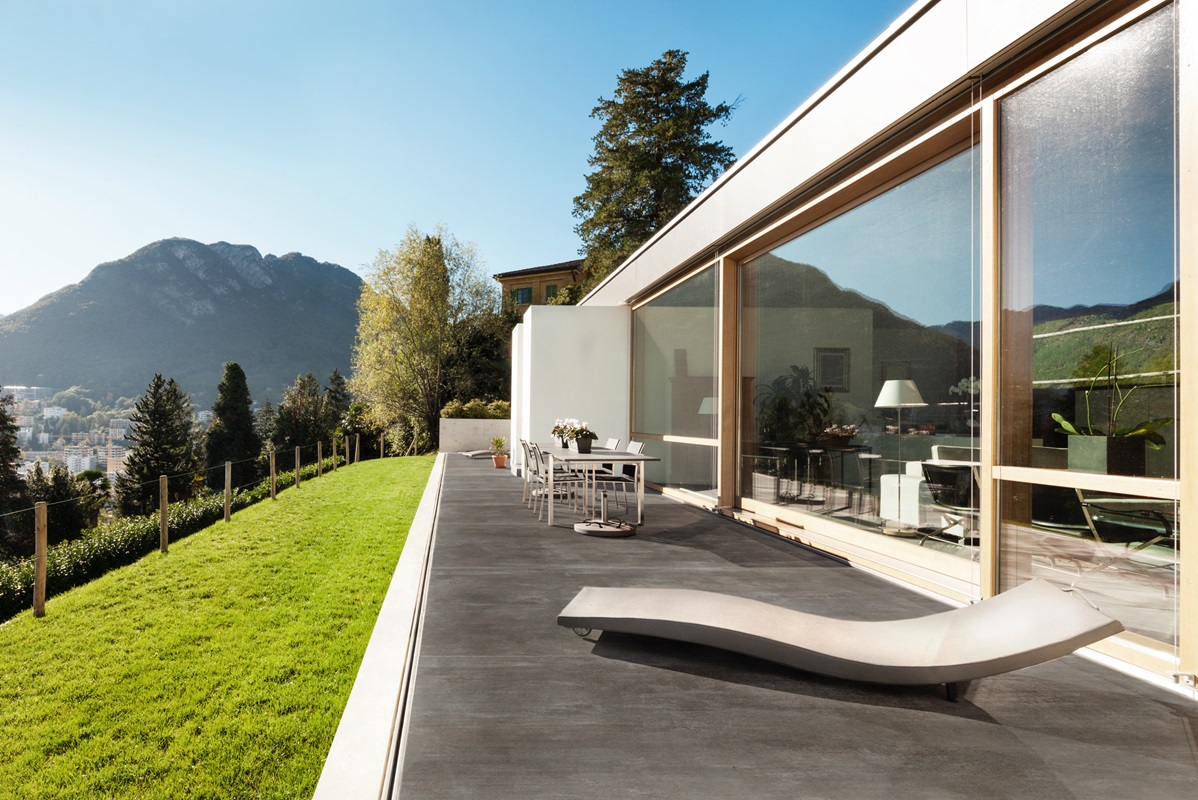
2. Neolith for Façades — The Choice for Contemporary Building Envelopes
2.1. Resilience to warm and cold climate
With temperature swings from –10 °C to +45 °C and strong UV radiation, façades in most parts of the world need a material that:Has low thermal expansion
Negligible water absorption
Remains unchanged over time
Resists humidity, frost, and sunlight
Neolith resists without deformation or color alteration — even under extreme conditions.2.2. Large slab sizes
With slabs reaching 3,200 × 1,600 mm, Neolith enables:Clean façades with fewer joints
Modern architectural aesthetics
Reduced risk of dirt or pollutant infiltration
Faster on-site installation
2.3. Compatibility with ventilated façade systems
Neolith can be integrated smoothly into systems using metallic carriers and hidden mechanical anchors. This leads to:Increased building energy efficiency
Reduced thermal load
Better moisture performance
Contribution to green certification (e.g. LEED / BREEAM)
3. Applications in Floors & High-Traffic Areas
Thanks to high scratch and flexural strength, Neolith is ideal for:
Large building entrance halls
Hotel lobbies
Retail & commercial centers
Corporate hospitality areas
Floors requiring zero maintenance
It offers outstanding wear resistance, does not absorb stains, is unaffected by cleaning agents, and remains stable under heavy use
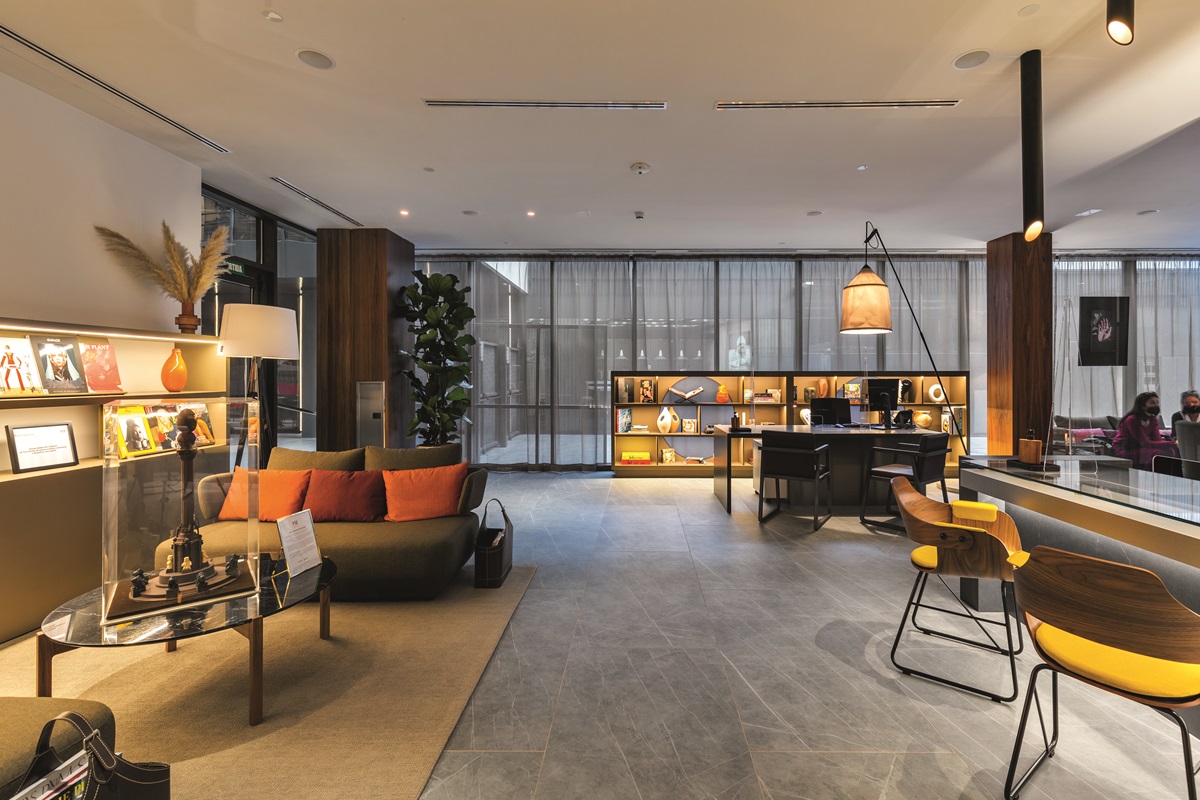
4. Sustainability & Certifications for Green Buildings
4.1. Composition & Environmental Footprint
Neolith is made from 100% natural materials (minerals, sand, quartz, clay), and does not contain:
-
VOCs
-
epoxy resins
-
heavy metals
It is fully recyclable and has a low Global Warming Potential.
4.2. Certifications for high-spec projects
Neolith is accompanied by:
-
EPD (Environmental Product Declaration)
-
Certifications supporting LEED v4 & BREEAM credits
-
Carbon Neutral Certification (for selected ranges)
-
ISO 14001 – Environmental Management & ISO 9001 – Quality Management
-
NSF Certification for hygienic use
For architects and construction companies aiming for green certification, Neolith serves as a fully documented material contributing to MR & IEQ credits
5. Neolith for the Green Buildings of the Next Decade — The Ultimate Argument
Neolith combines everything modern sustainable architecture in Greece demands:
Impressive longevity and durability under usage
Negligible water absorption
Excellent behavior under UV, frost, and thermal stress
Zero maintenance in large-scale projects
Low environmental footprint
Certified contribution to LEED & BREEAM
Robust architectural expression with large slabs
Permanent color stability over time
Given all the above, Neolith is not just an “alternative.” It is a technically superior, sustainable, modern material for façades, floors, and large-scale applications that will shape the green buildings of the next decade.
See available colours and contact us for technical specifications and samples.