



Blog
How surface finishes influence performance, aesthetics and material selection
Natural stone specification goes far beyond selecting the right material or colour palette.
The surface finish is equally important, influencing not only the appearance of the stone, but also its technical performance, durability, maintenance requirements, slip resistance and overall architectural expression.
Whether used in hospitality, residential, wellness, commercial or landscape projects, the right finish helps ensure that the selected natural stone performs according to the needs of each application.
From polished marble interiors to sandblasted limestone terraces and bush-hammered exterior paving, surface finishing is one of the most important decisions in architectural stone specification.
This guide explores the most widely used natural stone surface finishes and explains how architects can select the appropriate finish for marble, limestone, granite and other natural stones.
Aliveri Grigio Polished
Why Surface Finish Matters
Surface finish is one of the most influential factors in natural stone specification.
Beyond appearance, it directly affects:
- Light reflection
- Surface texture
- Slip resistance
- Wear resistance
- Maintenance requirements
- User comfort
- Interior and exterior suitability
- Long-term performance
- Overall architectural expression
The same marble, limestone or granite can create entirely different results depending on the finish applied.
A polished surface can highlight depth, colour and veining.
A honed surface can create a softer matte appearance.
A brushed or leathered surface can introduce texture and reduce glare.
A sandblasted or bush-hammered surface can improve slip resistance for exterior or wet applications.
For architects, the finish is not a decorative afterthought. It is part of the specification strategy.
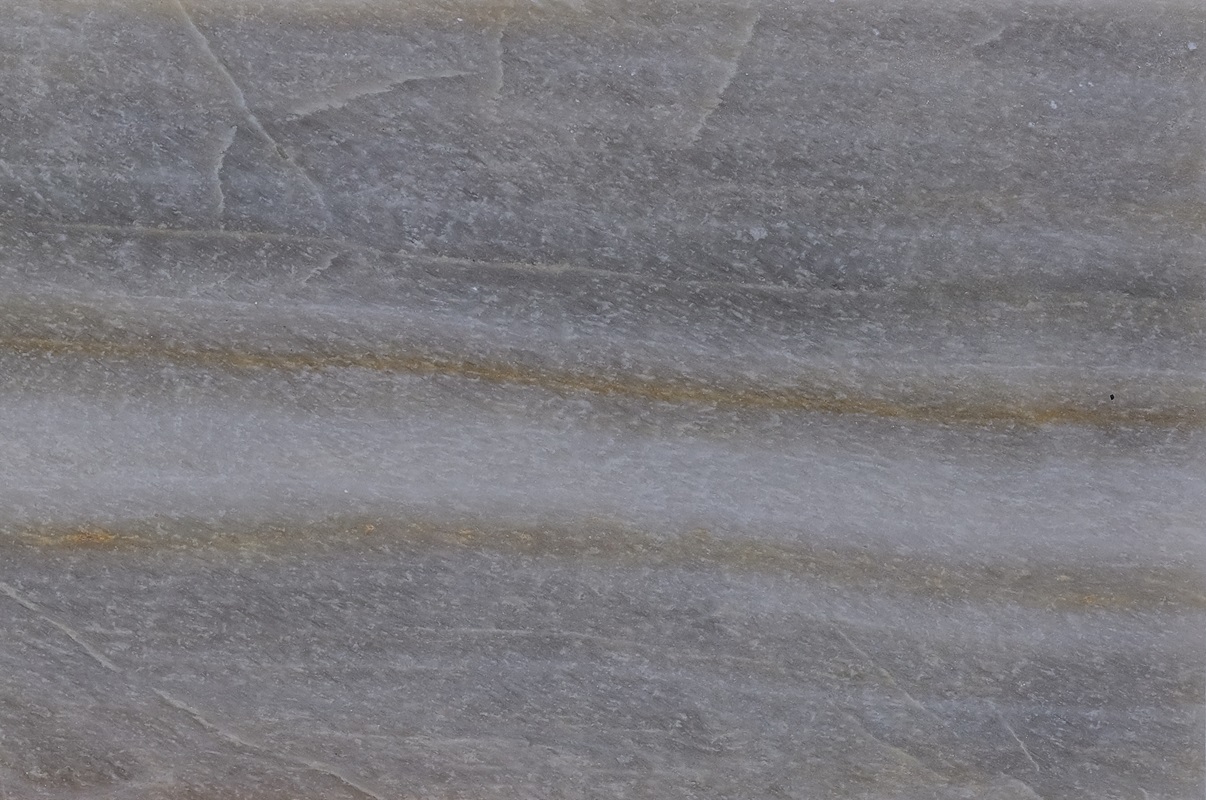
Skyline Honed
Surface finish affects how natural stone looks, feels and performs across architectural applications.
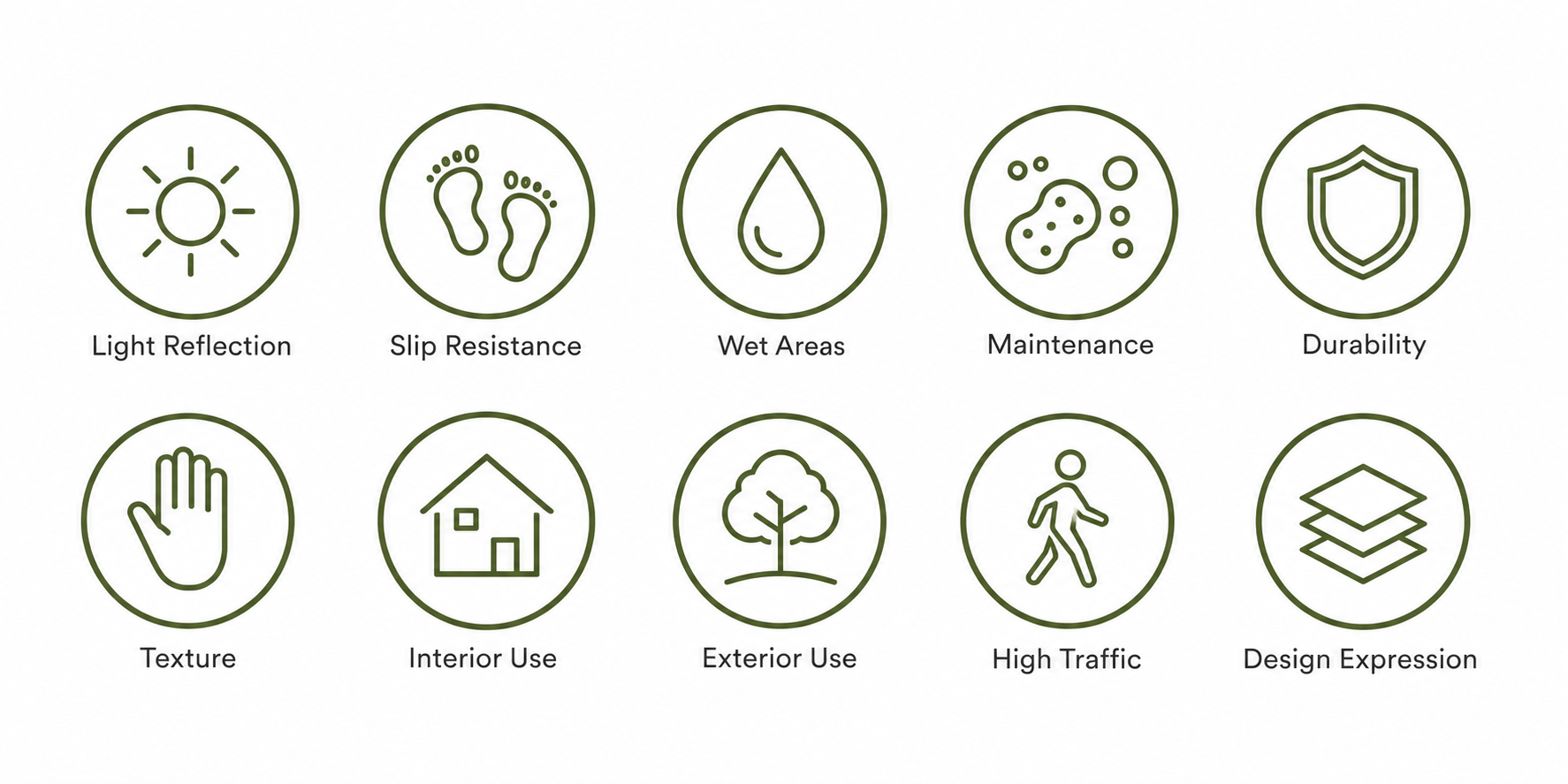
Factors Architects Consider During Specification
Selecting the appropriate stone finish depends on both aesthetic and technical criteria.
During specification, architects typically evaluate:
- Interior or exterior application
- Wet or dry environment
- Expected foot traffic
- Slip-resistance requirements
- Lighting conditions
- Maintenance expectations
- Desired architectural character
- Material type
- Climate exposure
- Project use: residential, hospitality, wellness, commercial or public space
The selected finish should support both the design intent and the functional requirements of the project.
Natural Stone Finish Comparison Table
| Finish | Reflection | Texture | Slip Resistance | Typical Applications |
| Polished | High | Smooth | Low | Feature walls, bathrooms, reception areas |
| Semi-Polished | Medium-High | Smooth | Medium-Low | Luxury interiors, residential spaces |
| Honed | Low | Smooth matte | Medium | Floors, bathrooms, hospitality interiors |
| Brushed | Low | Light texture | Medium-High | Wellness, hotels, residential interiors |
| Deep Brushed / Leathered | Low | Rich texture | High | Spas, feature surfaces, hospitality |
| Sandblasted | Very Low | Textured | High | Terraces, walkways, exterior paving |
| Deep Sandblasted + Brushed | Very Low | Natural textured | Excellent | Pool decks, outdoor areas, wellness |
| Bush-Hammered | Very Low | Heavy texture | Excellent | Public spaces, exterior stairs, landscape |
| Ribbed | Variable | Linear decorative | Depends on use | Feature walls, façades, lobbies |
| Scratched | Variable | Directional decorative | Medium | Interior walls, decorative cladding |
| Plegma | Variable | Geometric decorative | Medium | Retail, hospitality, feature walls |
| Waterjet | Variable | Custom decorative | Depends on pattern | Bespoke architectural surfaces |
Smooth Natural Stone Finishes
Smooth finishes are commonly selected when the design intent requires clarity, elegance and visual continuity.
They are widely used in marble interiors, limestone flooring, granite surfaces and premium architectural applications.
Polished Finish
A polished marble finish creates a smooth, reflective surface that enhances the stone’s natural colour, veining and mineral composition.
This finish is often selected for interiors where visual depth and light reflection are important.
Polished natural stone is commonly used in luxury hotels, private residences, reception areas, bathrooms and feature walls.
Best applications
- Hotel lobbies
- Reception desks
- Luxury bathrooms
- Feature walls
- Interior cladding
- Decorative surfaces
Key characteristics
- High reflection
- Strong colour depth
- Smooth surface
- Premium interior appearance
- Lower slip resistance compared to textured finishes
Semi-Polished Finish
A semi-polished finish offers a balance between a polished and a honed surface.
It maintains part of the stone’s colour intensity and depth while reducing the strong reflection of a fully polished finish.
Semi-polished marble and limestone finishes are often specified when the project requires a refined appearance with softer light behaviour.
Best applications
- Luxury residential interiors
- Boutique hotels
- Retail spaces
- Interior flooring
- Wall cladding
Key characteristics
- Softer reflection than polished
- Good colour depth
- Smooth surface
- More understated than full polish
- Suitable for contemporary interiors
Honed Finish
A honed marble finish creates a smooth matte surface with reduced reflection.
It is one of the most versatile natural stone surface finishes and is frequently used in residential, hospitality and commercial interiors.
Unlike polished marble, honed marble does not rely on gloss. Instead, it allows the material’s natural movement, colour and structure to become the main visual element.
Best applications
- Interior flooring
- Bathrooms
- Kitchens
- Hotel rooms
- Commercial interiors
- Wall cladding
Key characteristics
- Matte appearance
- Reduced glare
- Smooth surface
- Contemporary aesthetic
- Suitable for a wide range of interiors
Textured Natural Stone Finishes
Textured finishes enhance the tactile quality of natural stone and often improve slip resistance.
They are commonly used in hospitality, wellness, landscape and outdoor applications where safety, durability and user comfort are important.
Brushed Finish
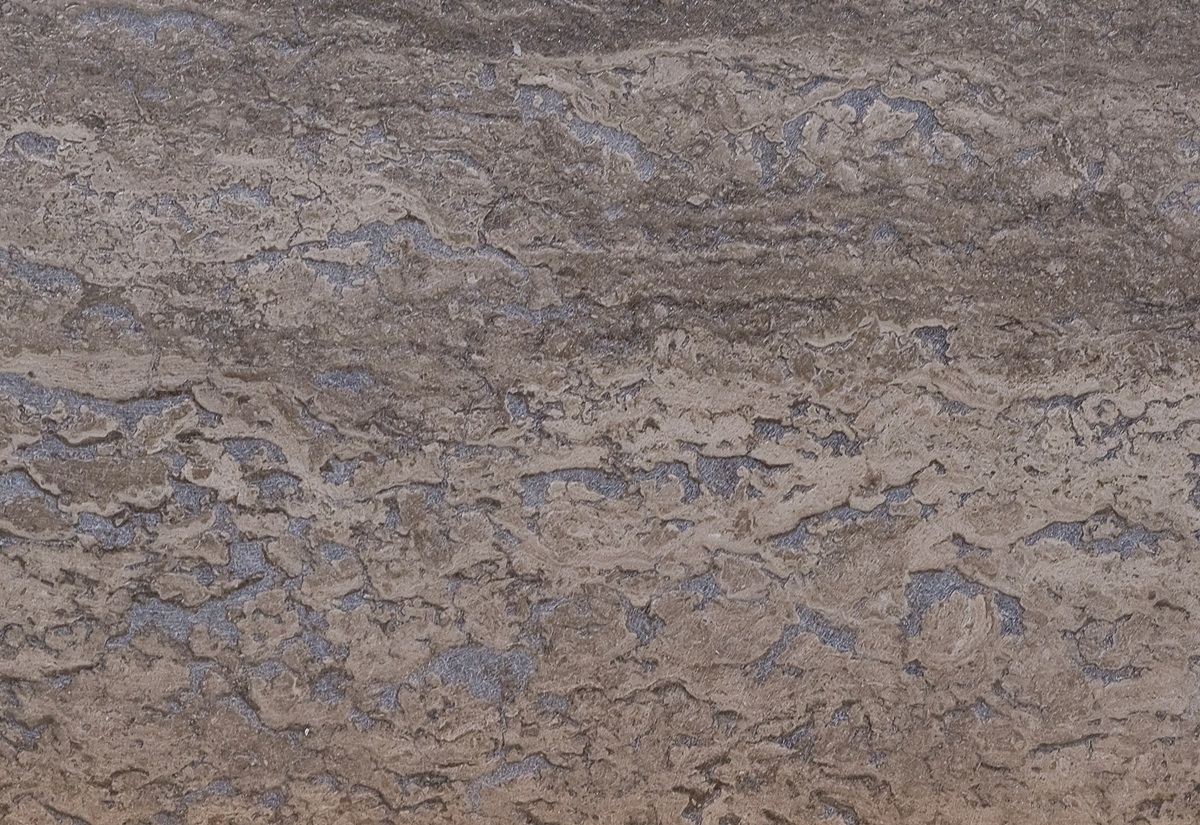
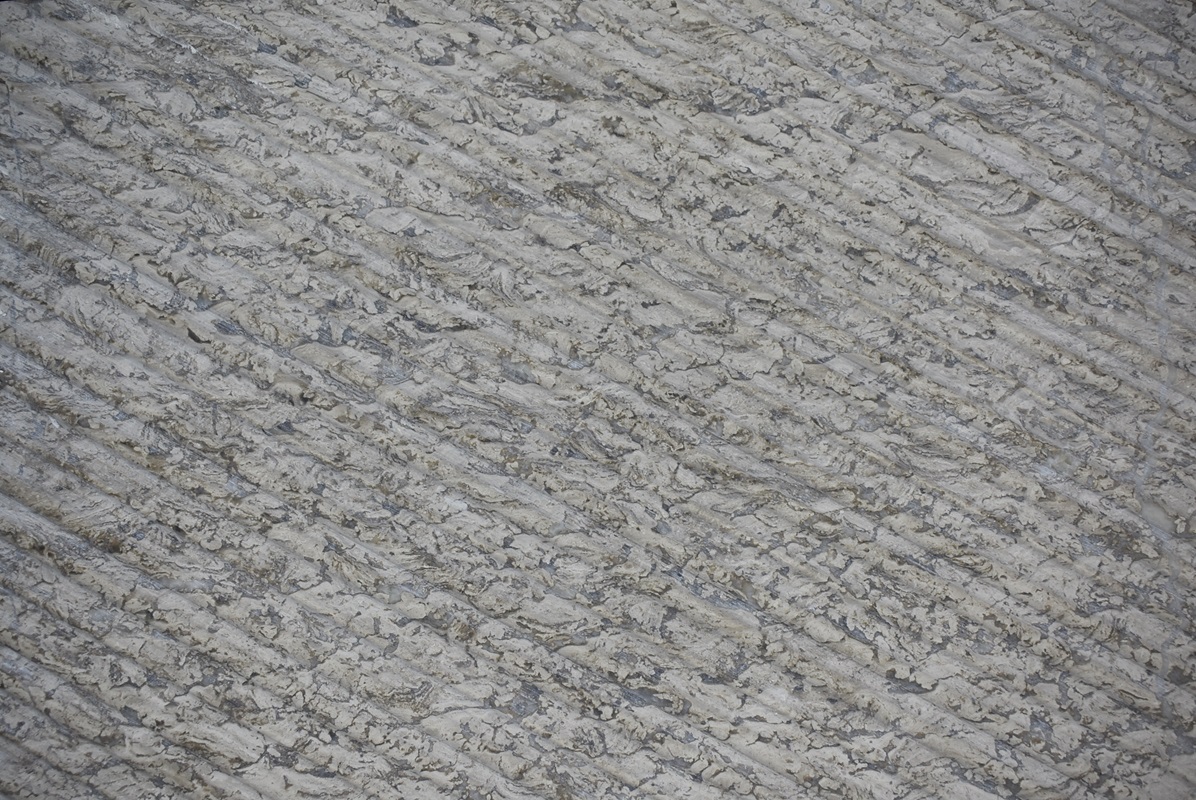
Didimon Brushed Finish
A brushed finish is created by treating the stone surface with abrasive brushes.
This process softens reflection, enhances the natural texture of the material and creates a warmer surface character.
Brushed marble, limestone and travertine finishes are frequently selected for projects that require a natural appearance with improved tactile quality.
Best applications
- Hotels
- Wellness facilities
- Residential interiors
- Bathrooms
- Staircases
- Wall cladding
Key characteristics
- Light surface texture
- Reduced reflection
- Natural appearance
- Improved tactile quality
- Suitable for interiors and selected covered exterior areas
Deep Brushed / Leathered Finish
A deep brushed finish, often referred to in the market as a leathered finish, is a more pronounced version of the brushed surface.
It creates a richer texture while maintaining the natural character of the stone.
This finish is often specified in hospitality and wellness environments where the surface experience contributes to the atmosphere of the space.
Best applications
- Spa environments
- Wellness areas
- Luxury bathrooms
- Hotel interiors
- Feature walls
- Reception areas
Key characteristics
- Rich tactile texture
- Low reflection
- Natural surface character
- Strong material presence
- Suitable for sensory architectural environments
Sandblasted Finish
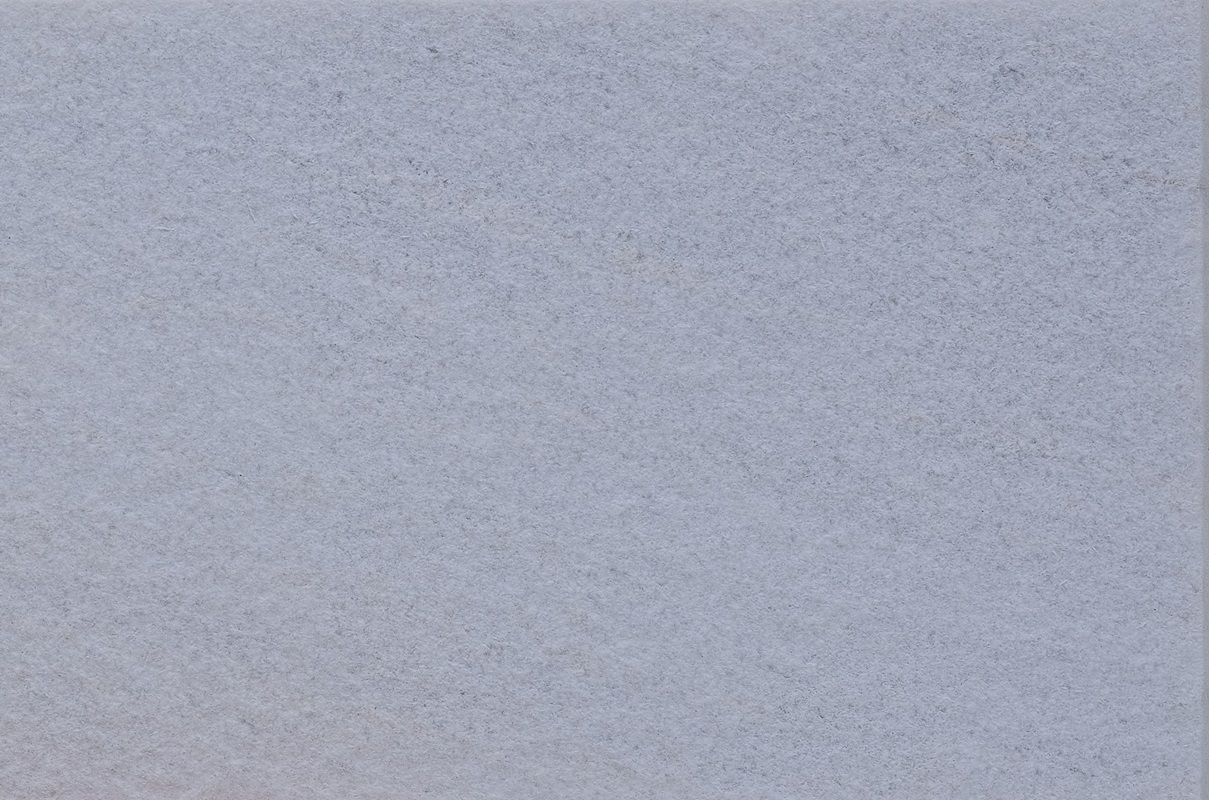
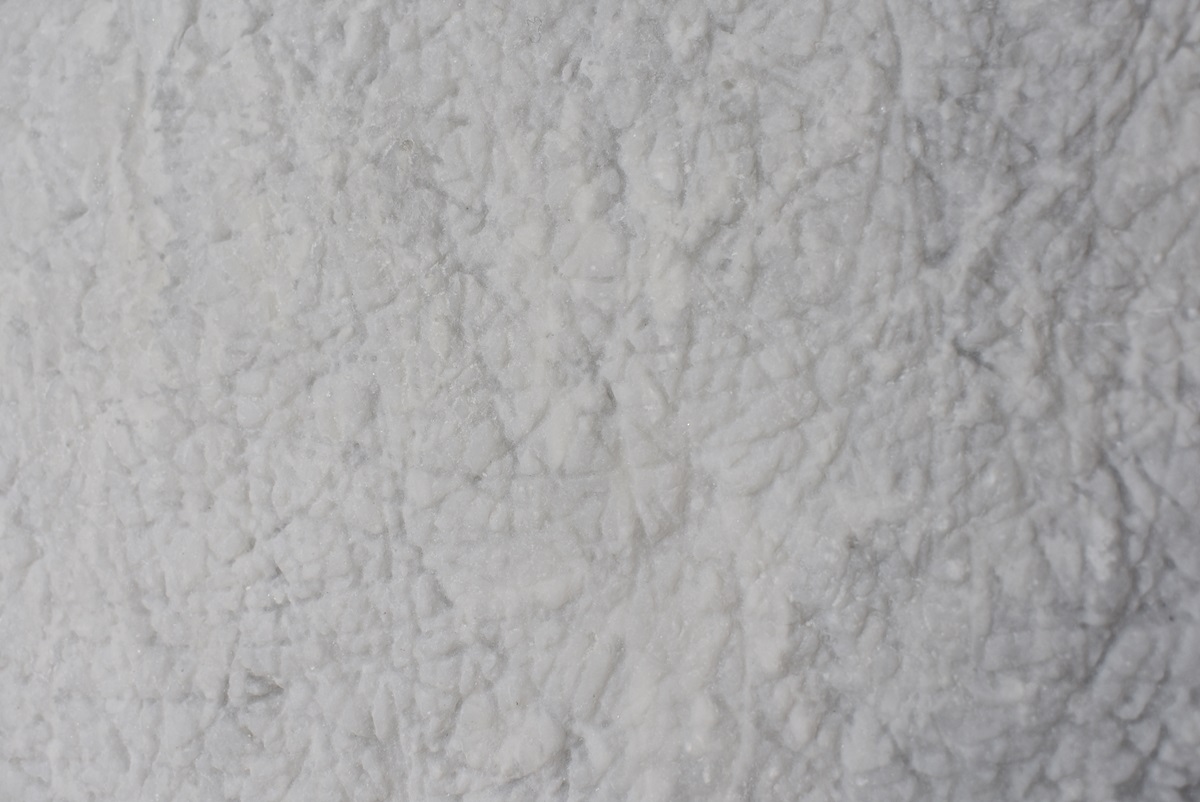
A sandblasted finish creates a uniform textured surface by blasting the stone with abrasive particles.
It reduces reflection and improves slip resistance, making it suitable for exterior stone applications.
Sandblasted marble, limestone and granite finishes are commonly used in areas exposed to weather, moisture or pedestrian traffic.
Best applications
- Exterior paving
- Terraces
- Courtyards
- Walkways
- Landscape design
- Public spaces
Key characteristics
- Textured surface
- Low reflection
- Improved slip resistance
- Suitable for outdoor use
- Functional architectural appearance
Deep Sandblasted + Brushed Finish
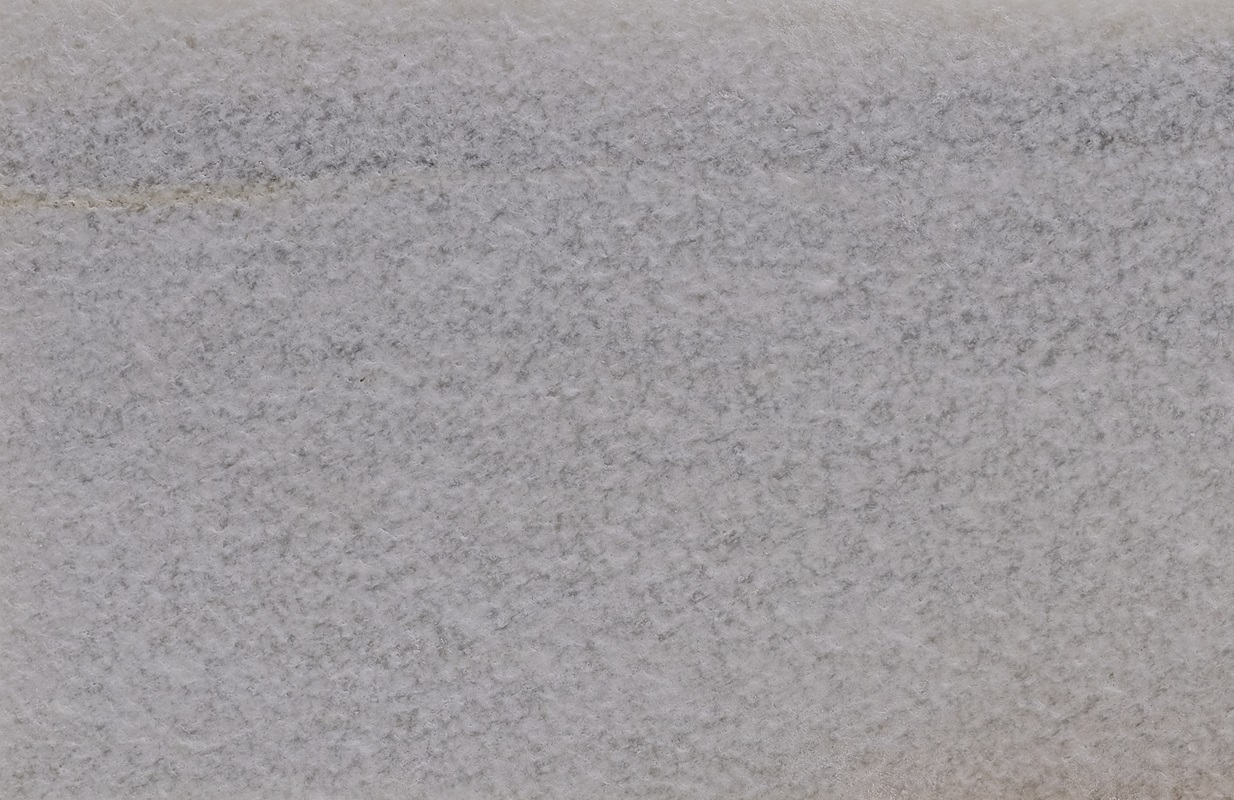
Deep sandblasted and brushed finishes combine the performance of sandblasting with the more natural surface character created through brushing.
This finish is especially useful where slip resistance is a key requirement but the project still requires a refined natural stone appearance.
It is frequently specified for pool decks, outdoor terraces, wellness areas and hospitality landscapes.
Best applications
- Swimming pool decks
- Pool surrounds
- Outdoor terraces
- Spa areas
- Landscape architecture
- Hospitality exteriors
Key characteristics
- Excellent slip resistance
- Natural textured appearance
- Low reflection
- Suitable for wet areas
- Strong exterior performance
Bush-Hammered Finish
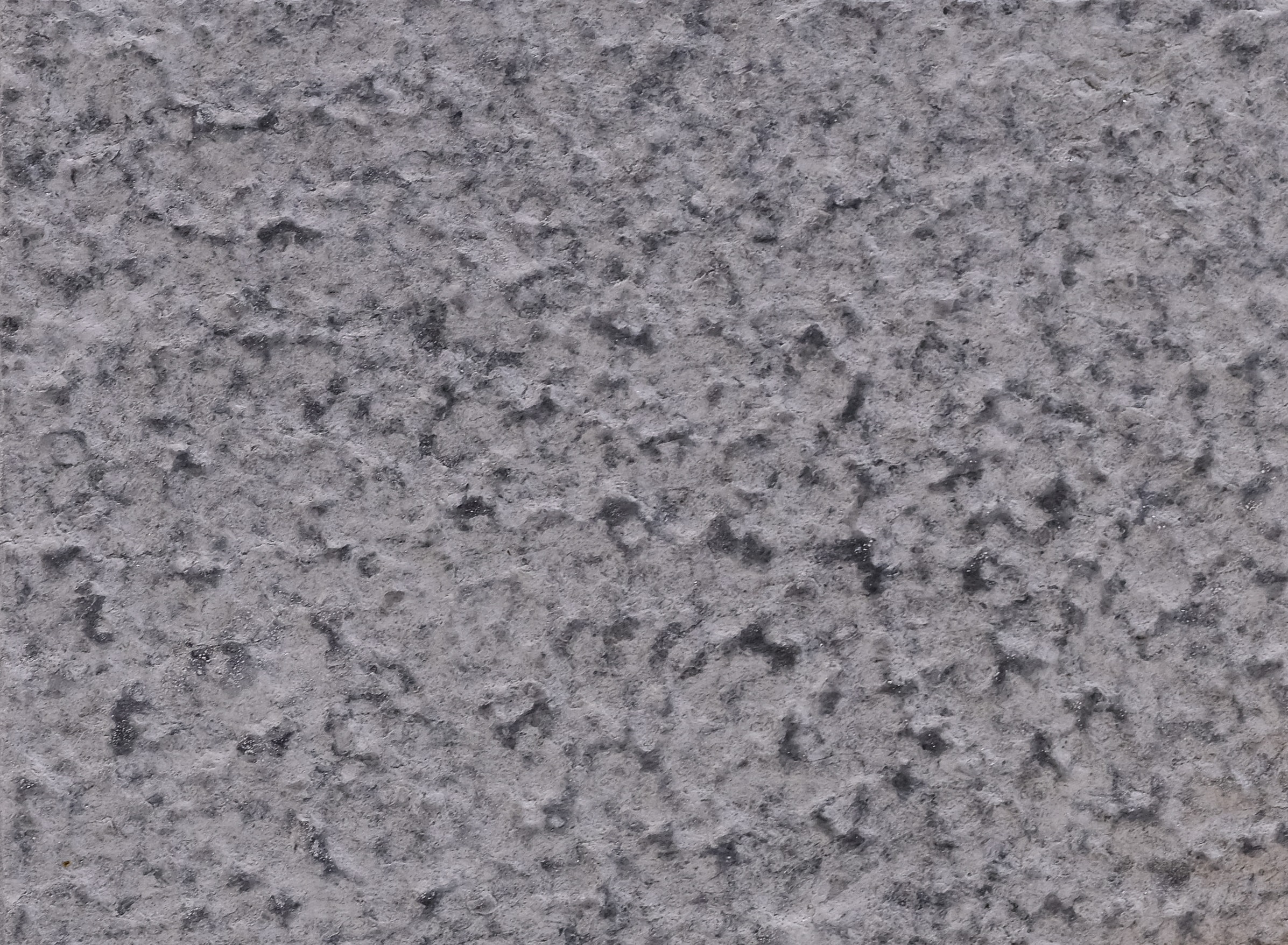
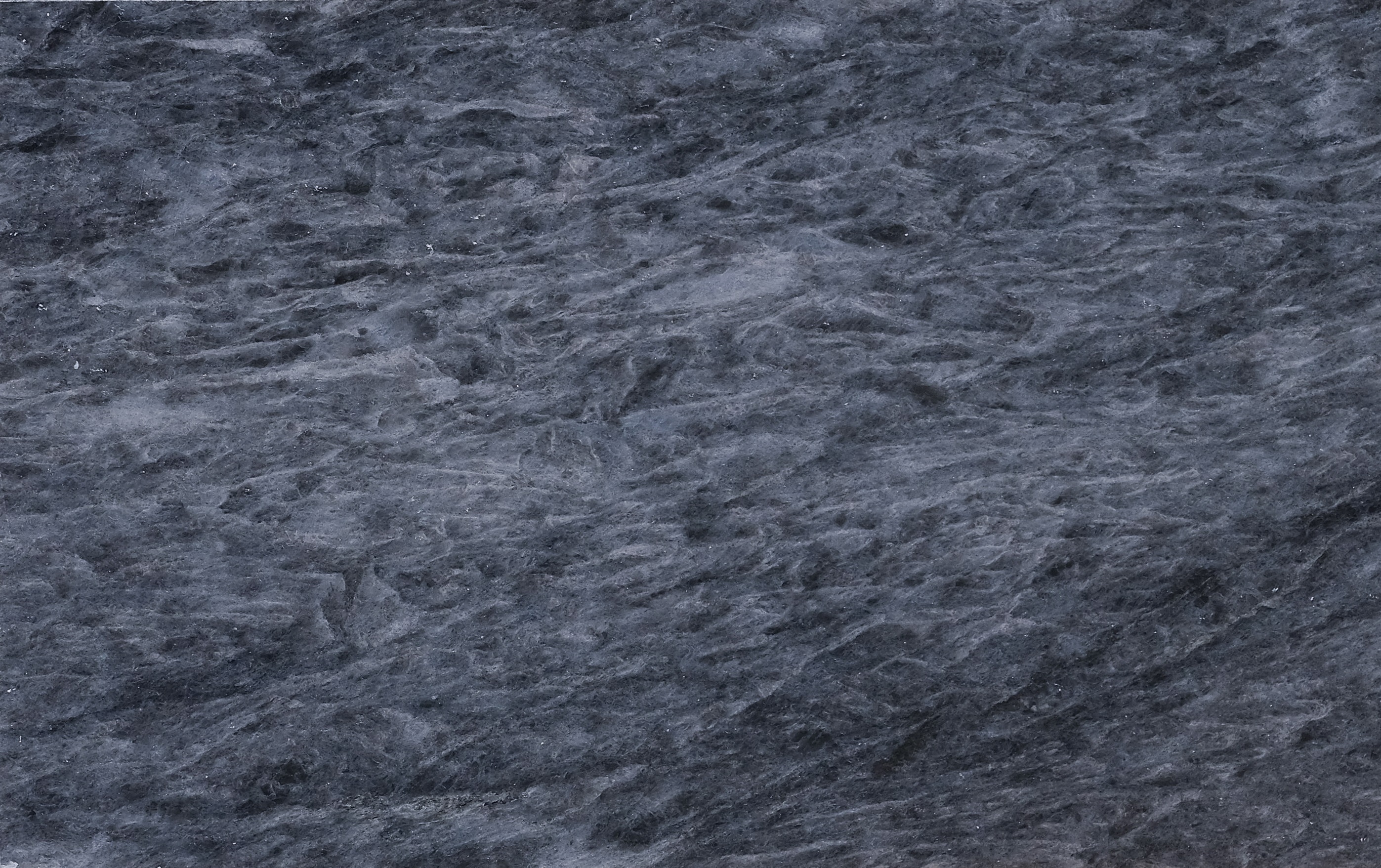
Bush-hammered Aliveri Grigio
A bush-hammered finish creates a heavily textured surface using mechanical impact.
It is one of the most effective finishes for exterior applications where high slip resistance and durability are required.
Bush-hammered marble, limestone and granite are commonly used in public areas, exterior staircases and landscape projects.
Best applications
- Public spaces
- Exterior paving
- Outdoor staircases
- Walkways
- Courtyards
- Landscape applications
Key characteristics
- Heavy texture
- Excellent slip resistance
- Strong outdoor performance
- Durable surface
- Architectural, natural appearance
Decorative and Custom Stone Finishes
Decorative finishes are created through precision processing, CNC machining, waterjet cutting or specialised surface treatments.
They allow architects to introduce rhythm, relief, shadow and pattern into natural stone surfaces.
Ribbed Finish
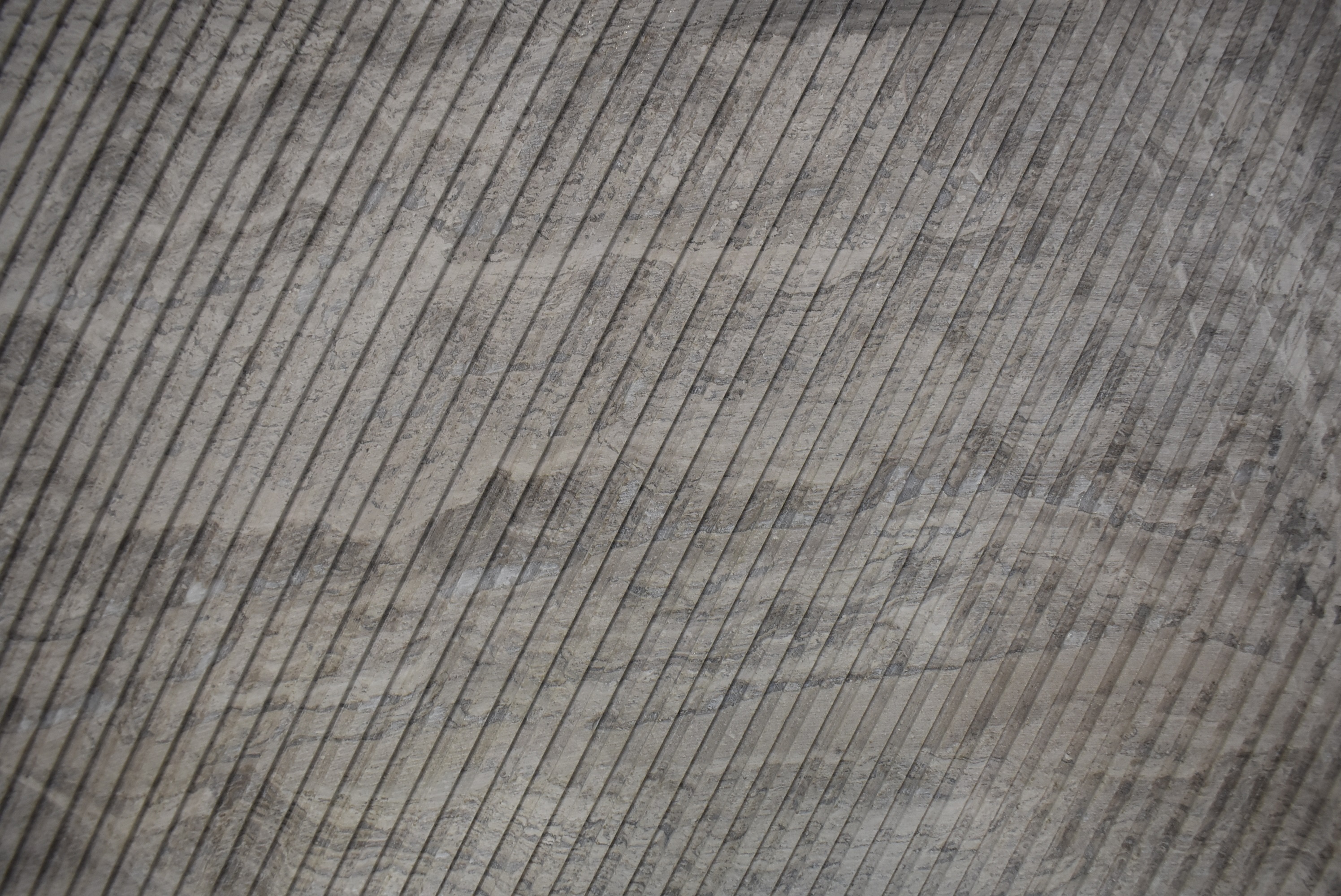
Ribbed Didimon Marble
A ribbed finish introduces linear grooves into the stone surface.
This creates depth, shadow and rhythm, transforming flat stone into an architectural surface with stronger visual structure.
Ribbed marble and limestone finishes are often used in hospitality interiors, reception walls and feature cladding.
Best applications
- Feature walls
- Hotel lobbies
- Reception areas
- Fireplace surrounds
- Spa walls
- Interior cladding
Key characteristics
- Linear texture
- Strong shadow effect
- Architectural rhythm
- Decorative surface depth
- Suitable for feature applications
Scratched Finish
Scratched Didimon Marble
A scratched finish introduces directional texture to the stone surface.
It creates movement and visual interest without the heavy relief of deeper decorative finishes.
Scratched marble finishes are suitable for contemporary interiors where surface detail is required in a subtle way.
Best applications
- Interior feature walls
- Decorative cladding
- Retail interiors
- Hospitality surfaces
- Custom architectural details
Key characteristics
- Directional texture
- Contemporary appearance
- Subtle surface movement
- Decorative but controlled
- Suitable for interior applications
Custom Finishes
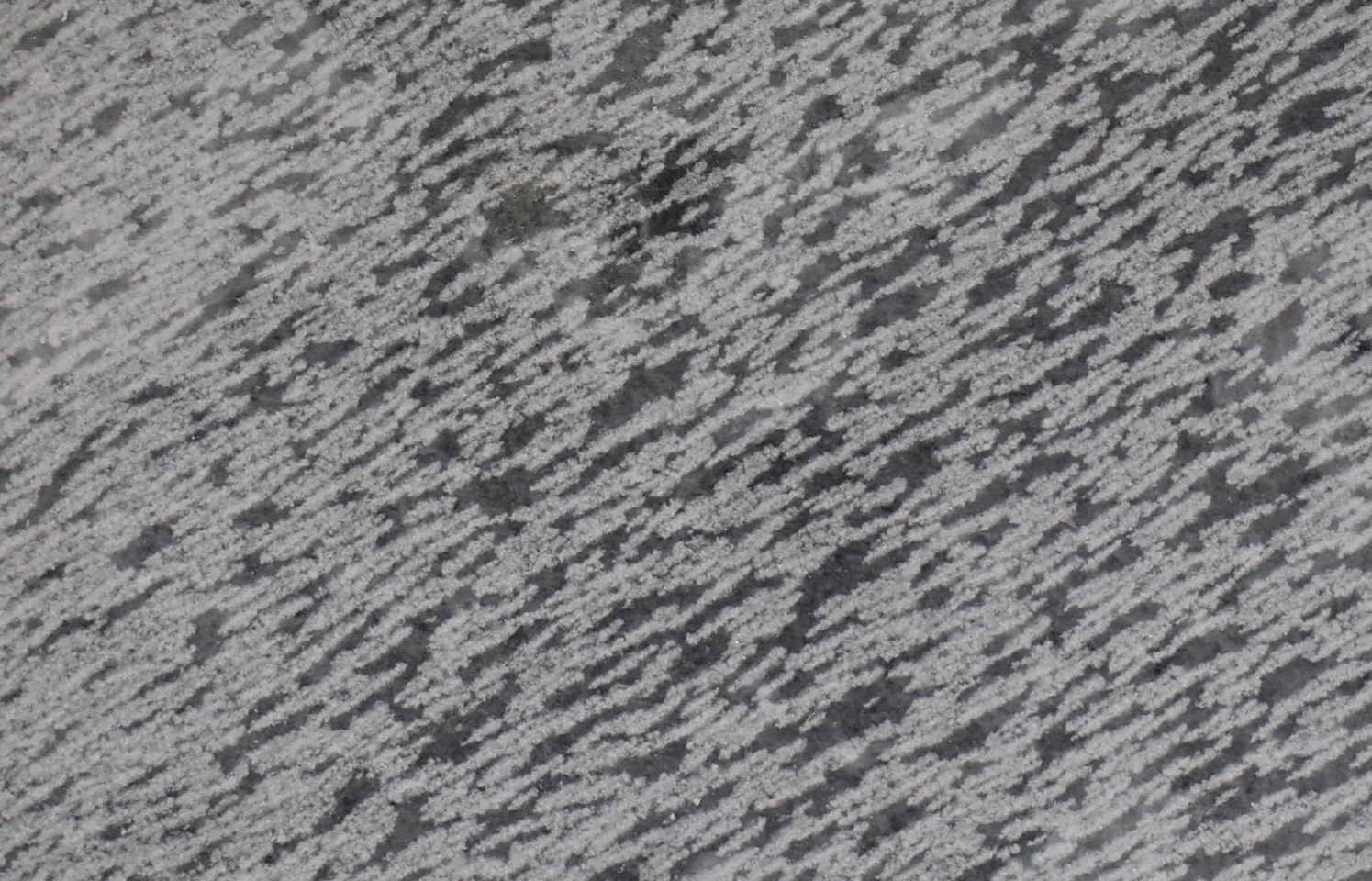
Decorative finishes that create textured and geometric surface patterns.
These surfaces introduce texture and structure while maintaining the natural character of the stone.
Suitable for projects where natural stone becomes a more expressive architectural element.
Best applications
- Feature walls
- Retail interiors
- Hotel lobbies
- Reception areas
- Decorative cladding
- Bespoke surfaces
Key characteristics
- Geometric pattern
- Decorative surface
- CNC-machined appearance
- Strong design character
- Suitable for custom applications
Waterjet Finish
Waterjet processing allows natural stone to be cut with high precision into custom patterns, textures and decorative compositions.
This finish is especially valuable for bespoke architectural applications where standard surfaces are not sufficient.
Waterjet marble, limestone and granite finishes can be used for decorative walls, feature panels and custom design elements.
Best applications
- Bespoke architectural surfaces
- Decorative wall panels
- Hospitality interiors
- Retail design
- Custom cladding
- Feature installations
Key characteristics
- High precision
- Custom patterns
- Decorative flexibility
- Suitable for bespoke projects
- Strong architectural identity
Choosing the Right Natural Stone Finish
The right natural stone finish depends on the relationship between design intent and technical performance.
A polished finish may be suitable for a luxury reception wall, but not for an exterior wet area.
A sandblasted or bush-hammered finish may be ideal for outdoor paving, but too textured for an interior bathroom wall.
A ribbed or waterjet finish may be selected when the surface itself is part of the architectural concept.
Selection Guide
| Project Requirement | Recommended Finish |
| Maximum colour depth | Polished |
| Reduced glare | Honed or Brushed |
| Contemporary matte surface | Honed |
| Natural tactile appearance | Brushed |
| Rich texture | Deep Brushed / Leathered |
| Exterior paving | Sandblasted or Bush-Hammered |
| Pool decks and wet areas | Deep Sandblasted + Brushed |
| Public spaces | Bush-Hammered |
| Feature walls | Ribbed, Plegma or Waterjet |
| Decorative cladding | Scratched, Ribbed, Plegma or Waterjet |
| Hospitality interiors | Honed, Brushed, Ribbed |
| Wellness environments | Brushed, Deep Brushed, Deep Sandblasted + Brushed |
Surface Finishes in Architectural Projects
Natural stone surface finishes are often combined within the same project.
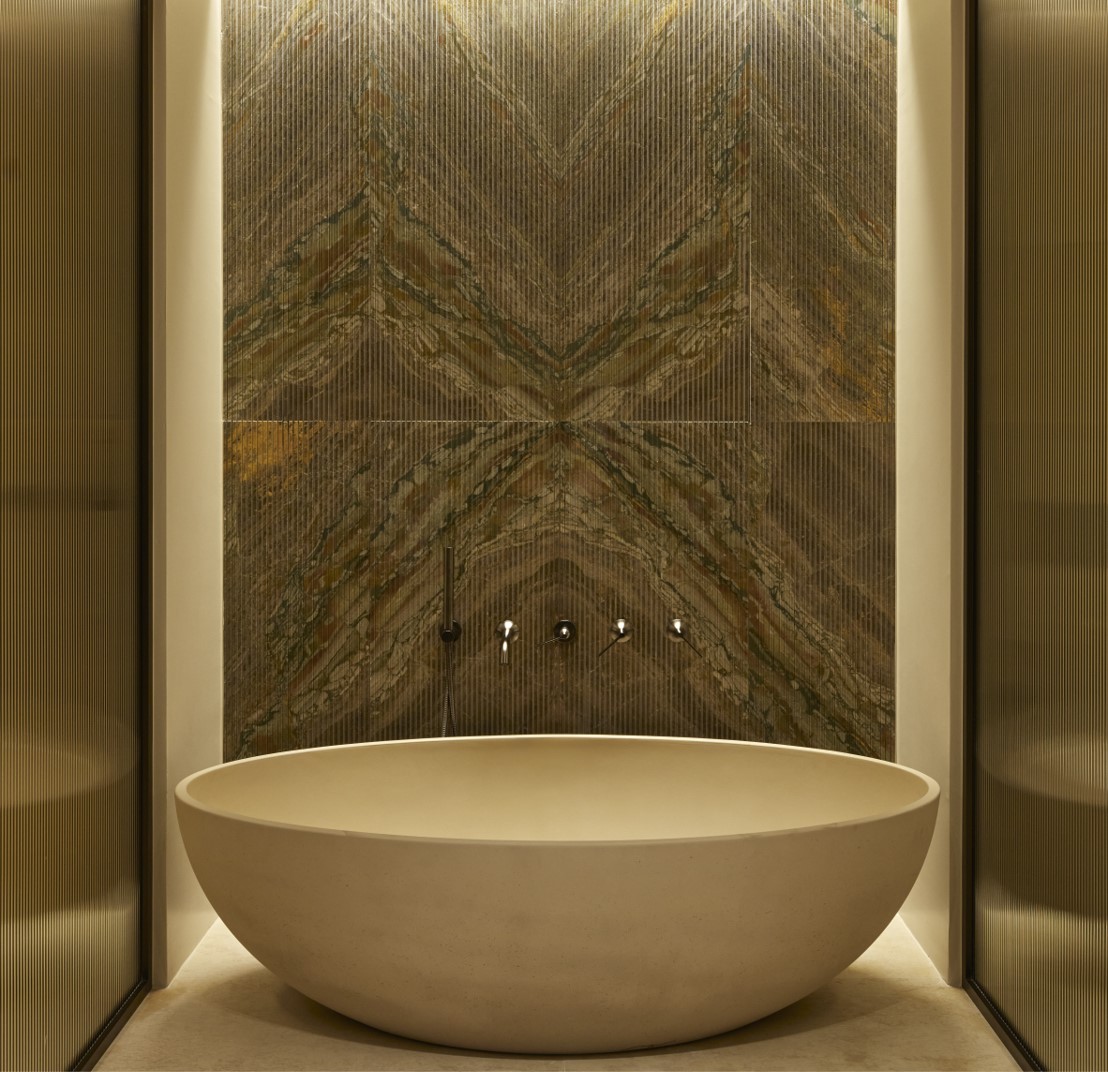
A single marble may be used in polished form for a reception desk, honed for flooring, brushed for wellness areas and ribbed for feature walls.
This allows architects to maintain material continuity while responding to the different functional needs of each space.
At Stonetech, surface finishes are developed according to each project’s application, technical requirements and design direction.
Through in-house processing capabilities, CNC technology, waterjet cutting and extensive natural stone expertise, Stonetech supports architects, designers, contractors and developers in selecting the right finish for every application.
Frequently Asked Questions About Natural Stone Surface Finishes
What is the difference between polished and honed marble?
Polished and honed are two of the most widely used marble finishes.
A polished marble finish creates a reflective surface that enhances colour depth, veining and natural movement. It is commonly specified for luxury interiors, bathrooms, reception areas and feature walls.
A honed marble finish creates a smooth matte surface with reduced reflection. It is often used for flooring, hospitality interiors, bathrooms and contemporary residential spaces.
The main difference is reflection. Polished marble is glossy and more reflective, while honed marble is matte and softer in appearance.
What is the difference between brushed and leathered marble?
A brushed marble finish is created by treating the surface with abrasive brushes, giving the stone a lightly textured appearance.
A leathered marble finish is generally a deeper version of the brushed finish. It creates a richer tactile surface while maintaining the natural character of the stone.
Both brushed and leathered finishes are suitable for hospitality, wellness and residential projects where texture, comfort and a more natural appearance are important.
Which natural stone finish is best for outdoor applications?
For exterior applications, architects usually prioritise slip resistance, durability and weather performance.
The most suitable natural stone finishes for outdoor use are typically:
- Sandblasted
- Deep Sandblasted + Brushed
- Bush-Hammered
These textured stone finishes are suitable for terraces, walkways, courtyards, public spaces and landscape architecture.
Which natural stone finish is best for swimming pools?
For swimming pool decks, pool surrounds and wet outdoor areas, Deep Sandblasted + Brushed finishes are often recommended because they combine excellent slip resistance with a natural stone appearance.
Bush-hammered and sandblasted finishes can also be used depending on the material, design direction and technical requirements of the project.
The final specification should always consider local safety regulations and the intended use of the surface.
Which marble finish requires the least maintenance?
Maintenance depends on the type of stone, the application and the finish.
Smooth finishes such as polished and honed marble are generally easier to clean because they have less surface relief.
Textured finishes such as brushed, leathered, sandblasted and bush-hammered stone may require more detailed cleaning due to their surface texture.
However, textured finishes may also be more suitable for high-traffic or outdoor areas where slip resistance is more important than ease of cleaning.
Does the finish affect slip resistance?
Yes. Surface finish is one of the main factors that affects slip resistance.
Polished natural stone has lower slip resistance, especially in wet conditions.
Textured stone surface finishes such as sandblasted, deep sandblasted and brushed, and bush-hammered finishes provide significantly better slip resistance.
This is why textured finishes are commonly used for exterior paving, pool decks, terraces and public spaces.
Can the same natural stone have different surface finishes?
Yes. The same marble, limestone or granite can be processed in different finishes, creating different visual and functional results.
For example, the same marble can be supplied as:
- Polished
- Semi-Polished
- Honed
- Brushed
- Deep Brushed / Leathered
- Sandblasted
- Bush-Hammered
- Ribbed
- Plegma
- Waterjet
Each finish changes the way the stone reflects light, feels to the touch and performs in architectural applications.
Which finish is best for hospitality and wellness projects?
Hospitality and wellness projects often combine several natural stone finishes.
Common specifications include:
- Honed marble for interior flooring
- Brushed or leathered marble for wellness areas
- Ribbed stone for feature walls
- Deep Sandblasted + Brushed finishes for pool decks and terraces
- Polished marble for reception desks and decorative interiors
This combination allows one material palette to support different functions across the same project.
Are marble finishes suitable for exterior use?
Some marble finishes are suitable for exterior applications, depending on the material and technical requirements of the project.
For outdoor use, polished marble is generally avoided because of lower slip resistance and higher reflection.
Textured finishes such as sandblasted, deep sandblasted and brushed, or bush-hammered marble are usually more appropriate for exterior paving, terraces, stairs and landscape applications.
Material selection should also consider frost resistance, water absorption, climate exposure and traffic levels.
Can limestone and granite have the same finishes as marble?
Many natural stone surface finishes can be applied to marble, limestone, granite, travertine and quartzite.
However, the final result depends on the mineral composition, hardness, porosity and structure of each material.
For example, a brushed finish may appear softer on limestone and more defined on marble or granite.
This is why sample approval is essential before final specification.
Need Help Selecting the Right Natural Stone Finish?
Every architectural project has unique technical and aesthetic requirements.
Stonetech works closely with architects, designers, contractors and developers to recommend the most suitable natural stone finish based on application, traffic, moisture exposure, maintenance expectations and design intent.
Request samples, technical specifications or discuss your next project with our team.
stonetech@stonetech.gr